
Too many features
Every extra feature delays the moment you learn whether the core idea works. Scope grows quietly until the launch keeps moving.
Turn your startup idea into a real, usable product. We help founders plan, build, and launch MVPs with experienced engineers, clear priorities, and transparent communication.
Experienced engineering · Focused scope · Weekly progress updates
Building an MVP involves more than writing code. Without clear priorities and the right technical decisions, founders can spend months developing features before learning whether customers actually need them.
Every extra feature delays the moment you learn whether the core idea works. Scope grows quietly until the launch keeps moving.
Unclear architecture early on turns into rework later, usually right when the product starts getting real users.
Long build cycles with nothing to show means no feedback, no learning, and no way to correct course cheaply.
Building for scale before product-market fit adds cost and maintenance without adding learning.
We help you focus on what matters: getting a working product into users' hands and learning from real feedback.
Scope comes first. We prioritize what gets you a testable product, not everything that could eventually be built.
We agree on the problem, the users, and the smallest set of features worth building. Everything else is explicitly deferred, not silently dropped.
Essential user journeys mapped before build: what a new user sees, what they do first, and what makes them come back.
The core product built end to end, including the integrations the agreed scope calls for. Integrations outside that scope are quoted separately.
Release preparation, deployment, and a first loop of improvements based on what real users do rather than what we assumed.
Your MVP should be small enough to validate quickly, but solid enough to evolve as you learn.
Five steps, in order. Each one produces something you can review before the next starts.
We discuss your goals, your users, and the problem worth solving. The outcome is a shared understanding of what the product must do, not a feature wish list.
Scope, milestones, and priorities are written down. You see exactly what is included, what is deferred, and in what order it gets built.
We build in increments, so you can review working software early and often instead of waiting for a single handover at the end.
Release preparation covers deployment, monitoring, and the checks that make a first release safe to put in front of users.
After launch we review real usage and improve the product based on feedback, with the same engineers if you want to continue.
The goal is a product people use, not a pile of delivered tickets.
Priorities come from what teaches you the most about your users, not from what is most interesting to build.
Senior engineers make the technical calls, so early shortcuts do not become permanent constraints.
You always know what is being built, what is next, and what changed. No silent scope decisions.
We often build with Ruby on Rails and Flutter because they suit a fast first release and stay maintainable afterwards. They are a good fit for many projects, not a requirement. If your product calls for different technology, we will tell you.
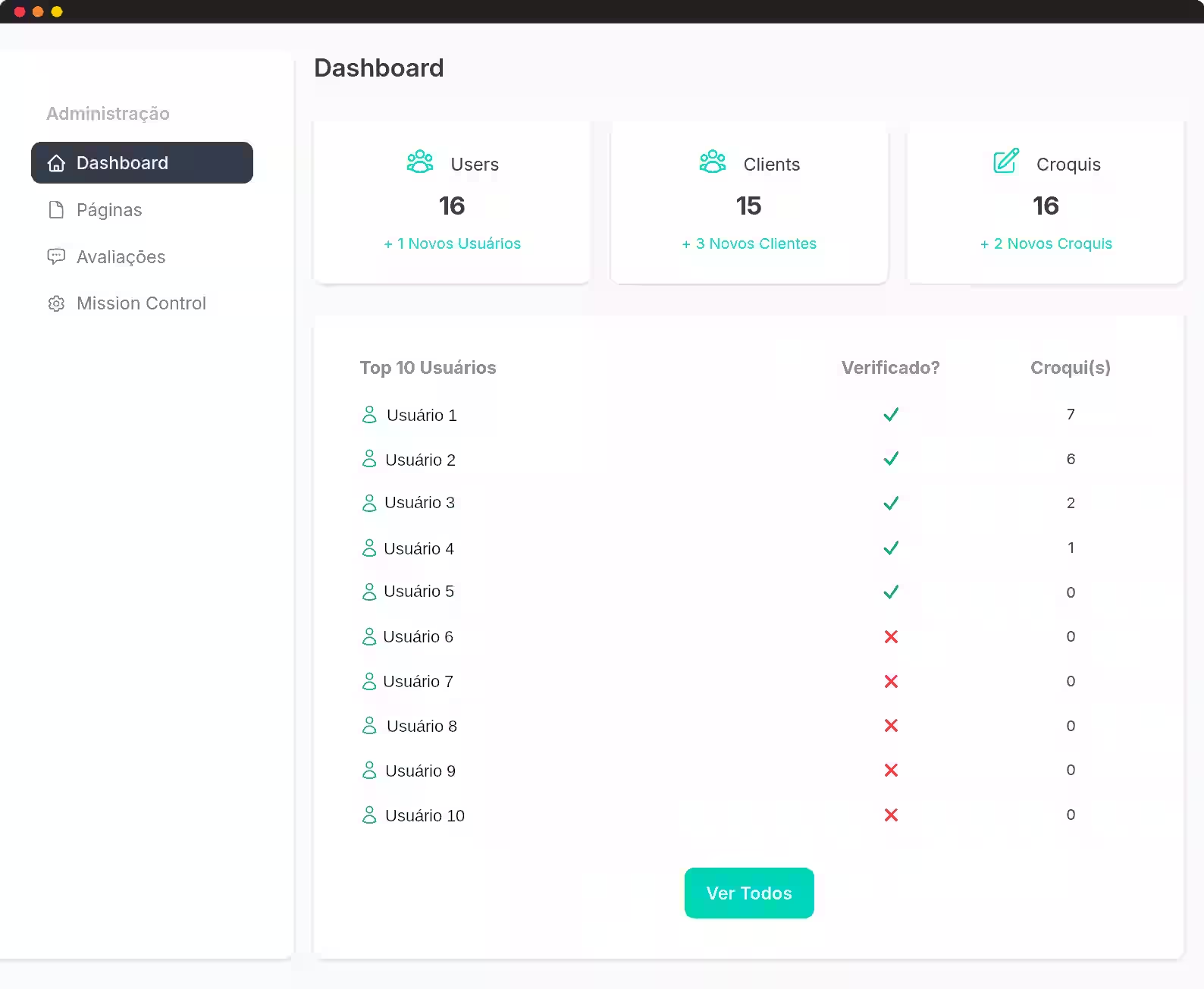
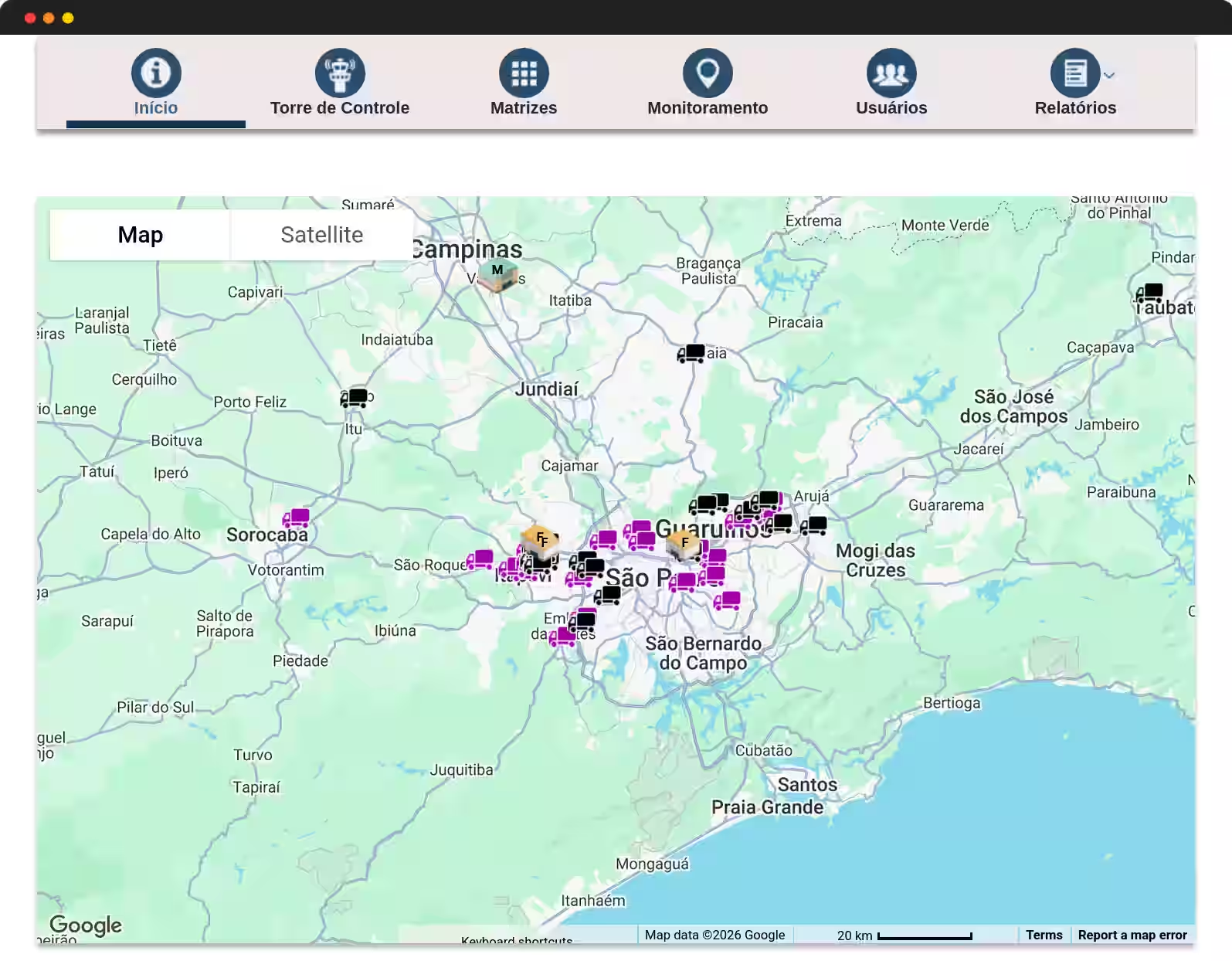
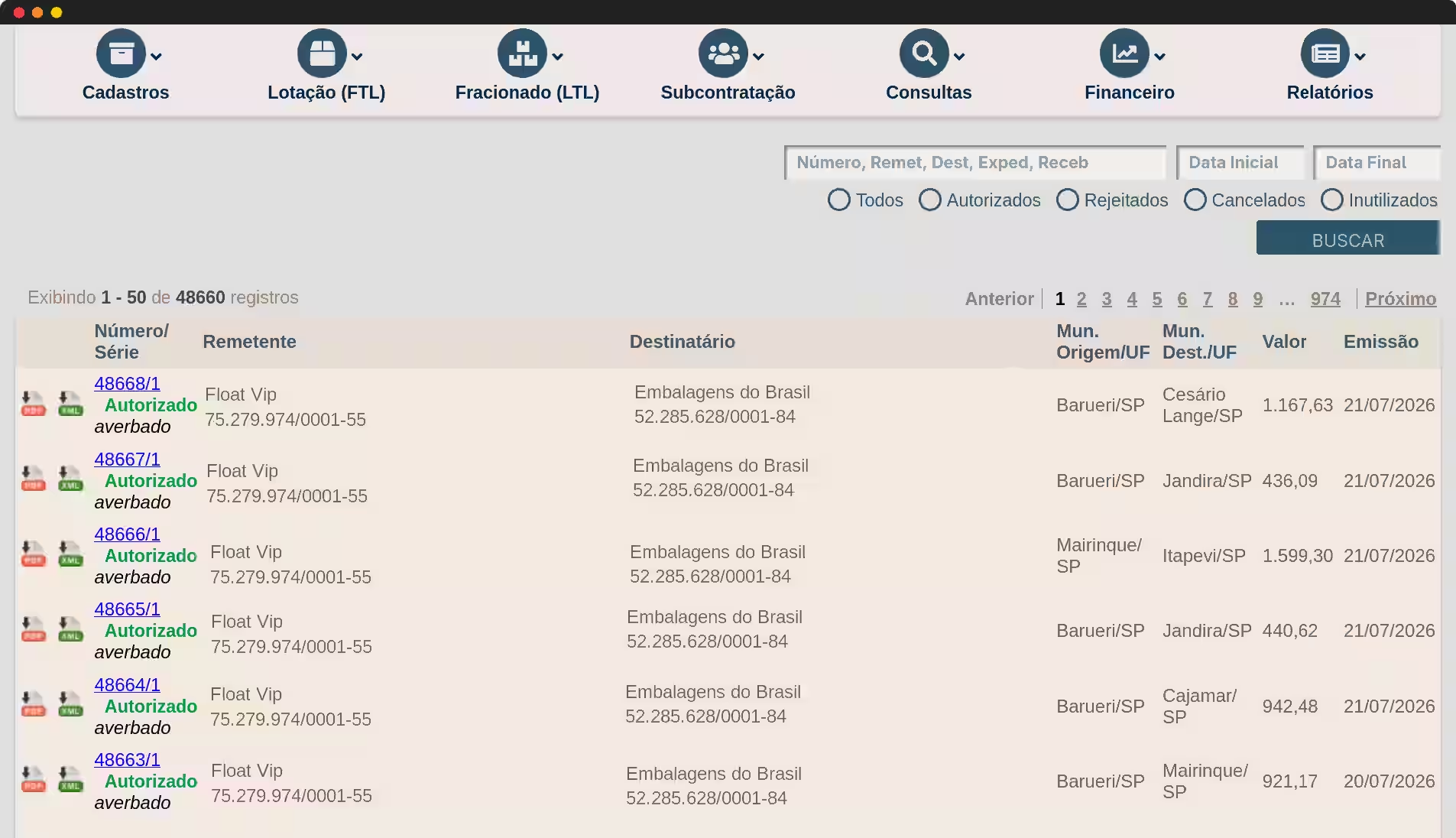
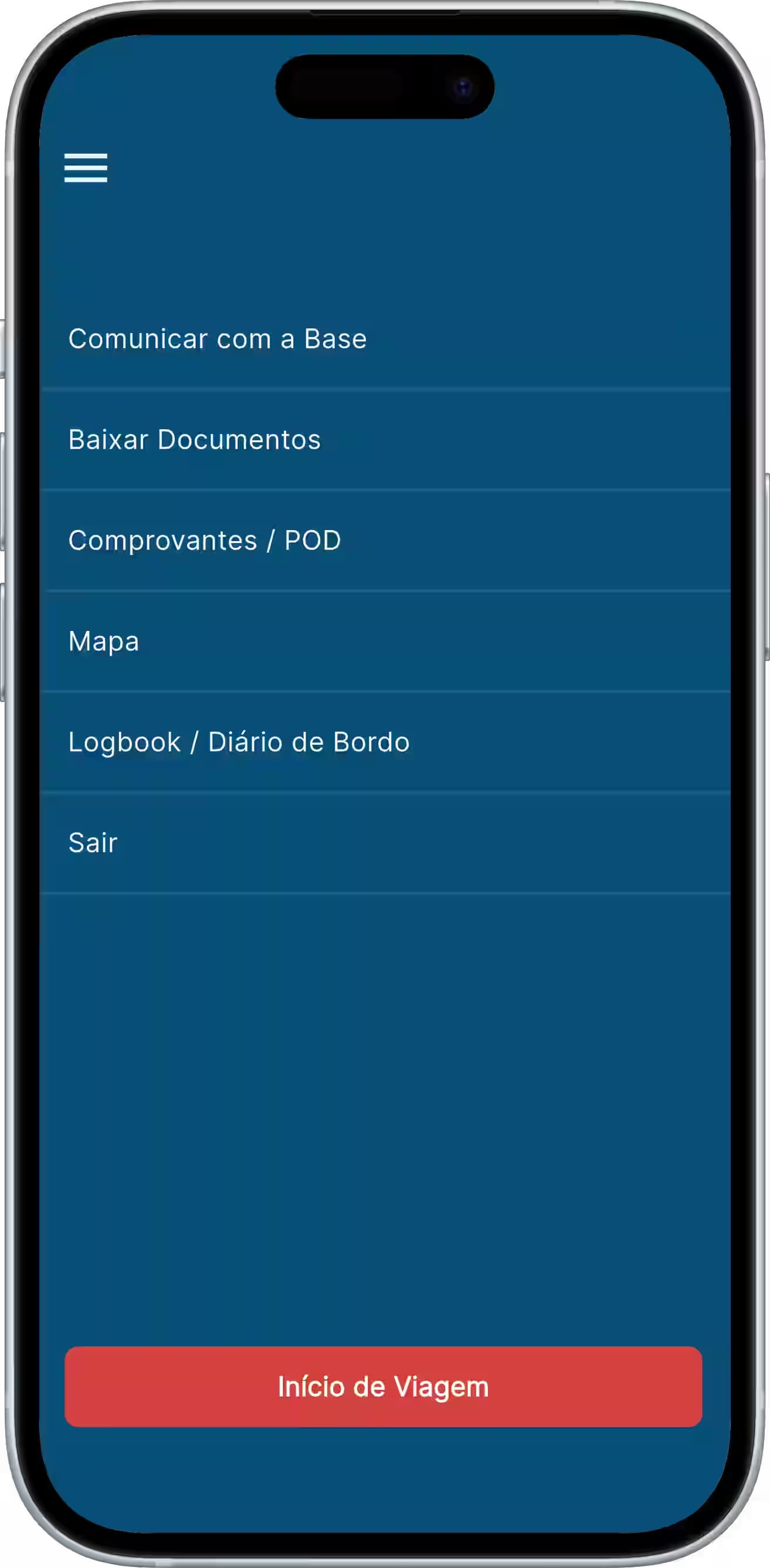
These are client projects we engineered. They are not MVP engagements, and we do not present them as startup MVP case studies. They show the kind of software we build and maintain.
Built a logistics platform with a web dashboard and Android app for real-time delivery tracking and fleet operations.
Deliveries Tracked
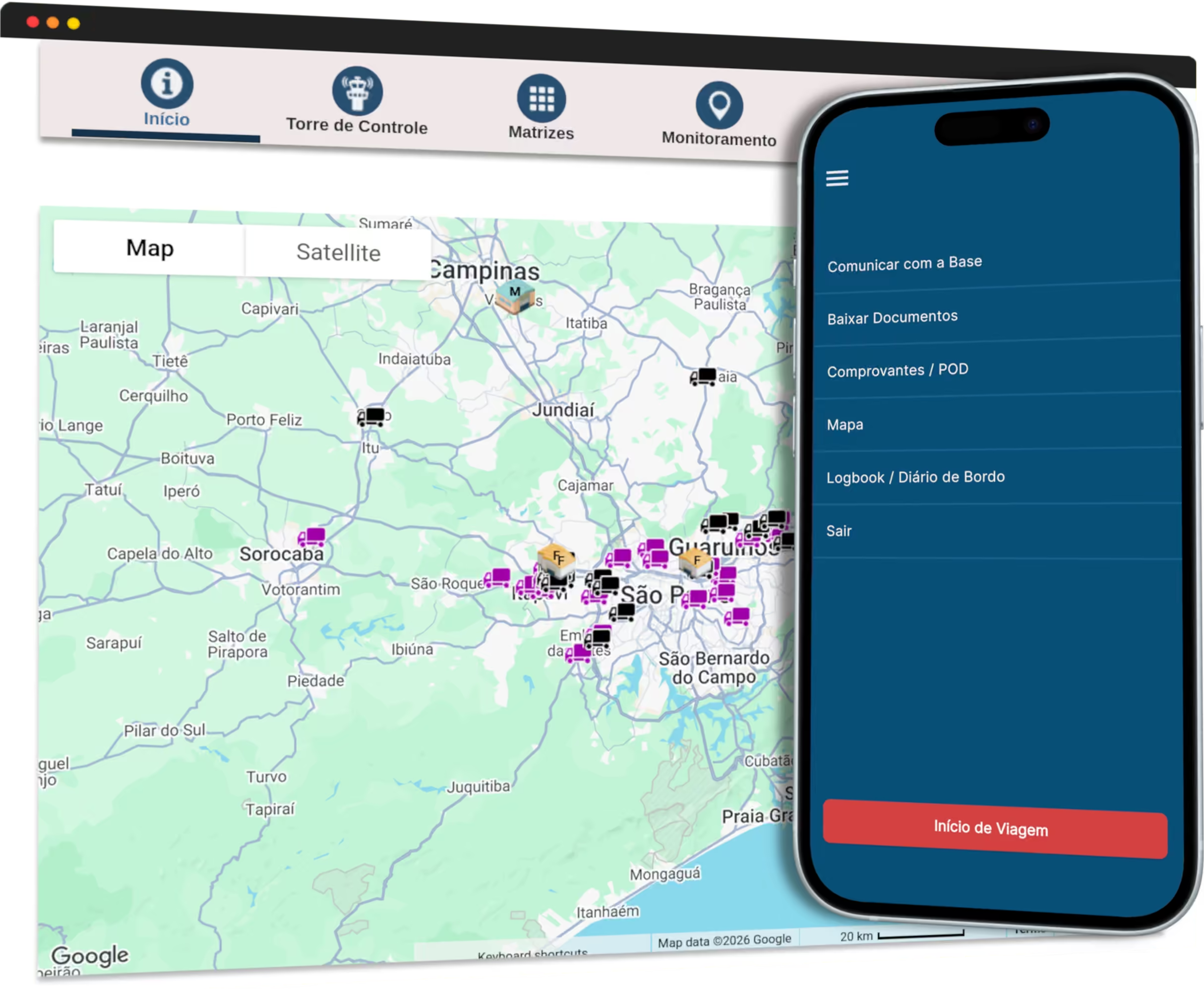
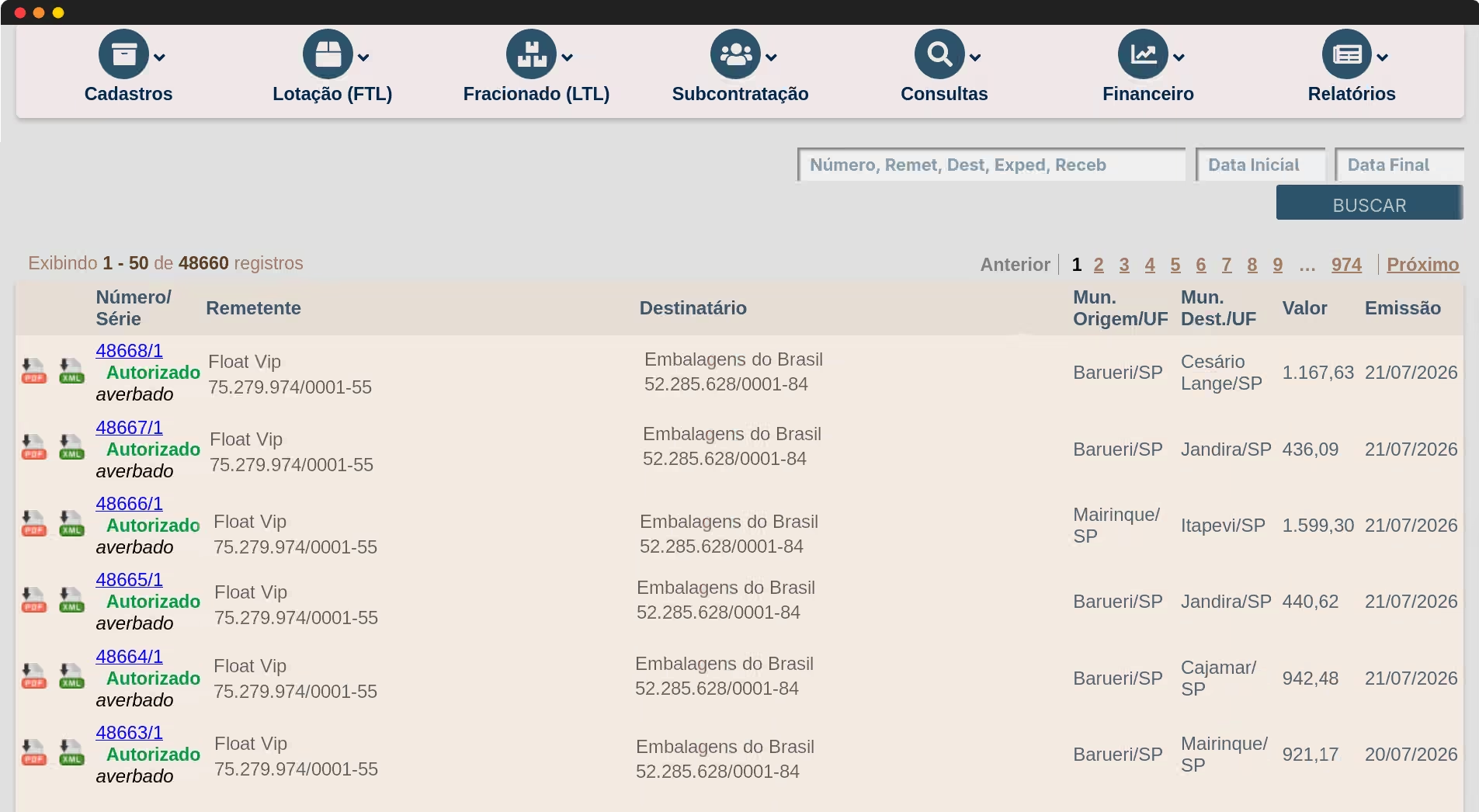
Powering freight operations and transport documents for over a decade with a platform trusted in daily logistics workflows.
Transport Documents Processed
Anything else? We would rather talk about your product during a free strategy call.
It depends on scope, so we quote a scope-based proposal rather than a fixed package. You agree on the feature list first, then the proposal is priced against it. We confirm the price in your proposal before work starts.
We estimate the timeline once the requirements are known. Documented MVP engagements currently take about 6 to 12 weeks, and larger scopes are split into phases instead of one long build.
No. You bring the problem, the users, and the business context. We translate that into technical decisions and explain the trade-offs in plain language.
Yes. Ongoing development and support are available after the first release, either as a continuation with the same engineers or as a separate engagement, depending on what you need.
Ownership is defined in the project agreement. We do not assume a default, so it is agreed in writing before work starts.
We talk about your idea, who it is for, and the first features you have in mind. We then discuss whether we are a good fit and what the sensible next step would be. No obligation.
Tell us what you're building. Let's explore the right scope and development approach for your MVP.
No obligation. Just a conversation about your product.
Growing an existing product instead? See SaaS Development.