Growing technical debt
Shortcuts accumulate quietly until every new feature costs more than the last one and releases get riskier.
From new SaaS platforms to existing applications, we help startups build, improve, and maintain reliable software with experienced engineers and a long-term product mindset.
Custom SaaS development · Product engineering · Ongoing support
As SaaS products evolve, technical complexity and competing priorities can make delivery increasingly difficult. The right development partner helps you keep moving without sacrificing maintainability.
Shortcuts accumulate quietly until every new feature costs more than the last one and releases get riskier.
Roadmaps slip when the codebase resists change or the team has no capacity for the next priority.
Third-party services, legacy systems, and data flows that were never designed to talk to each other.
Hiring takes time, and the current team is already fully committed to keeping the product running.
We help you improve your product while keeping delivery predictable and technical decisions aligned with your business goals.
Each deliverable is agreed individually. Project work and recurring support are separate engagements, so nothing is assumed to be included.
A new platform built from scratch: core product, data model, authentication, and the workflows your business runs on.
New functionality added to a product already in production, built on the stack you run today.
Structural work that makes future changes cheaper: boundaries, refactors, and migrations away from dead ends.
Connecting your product to payment providers, internal systems, and third-party APIs, plus automating the manual steps around them.
Dependency upgrades, fixes, and small improvements. Recurring support is agreed separately, it is not bundled into every project.
Reviews, trade-off analysis, and planning input when your team needs a second senior perspective on a decision.
Monitoring, response times, and support coverage depend on the engagement you agree to. We describe them in writing before work starts rather than assuming a default.
The sequence is the same whether you need a new platform or work on an existing one. Ongoing monitoring and maintenance are only included when we agree to them.
Product and architecture discovery. We read the codebase, the data model, and the deployment setup before proposing changes.
Scope, priorities, and the engagement shape are agreed in writing, including what support, if any, comes after release.
Development and testing in increments you can review, on top of the version currently running in production.
Release support for the change itself. Ongoing monitoring is a separate agreement, not an automatic inclusion.
Optional continued work once the first engagement ends, based on what the product needs next.
Concrete ways we work, not claims about being better than anyone else.
The people making the technical decisions have shipped and maintained production software, including systems running for over a decade.
Technical choices are weighed against business impact, so effort goes where it changes the product rather than where it is most interesting.
Project work, ongoing development, or support alongside your in-house team. The engagement shape follows what your product actually needs.
We work mainly with Ruby on Rails, Hotwire, PostgreSQL, and modern cloud infrastructure, and we build mobile clients with Flutter. That is where we are strongest, not a rule imposed on every project.
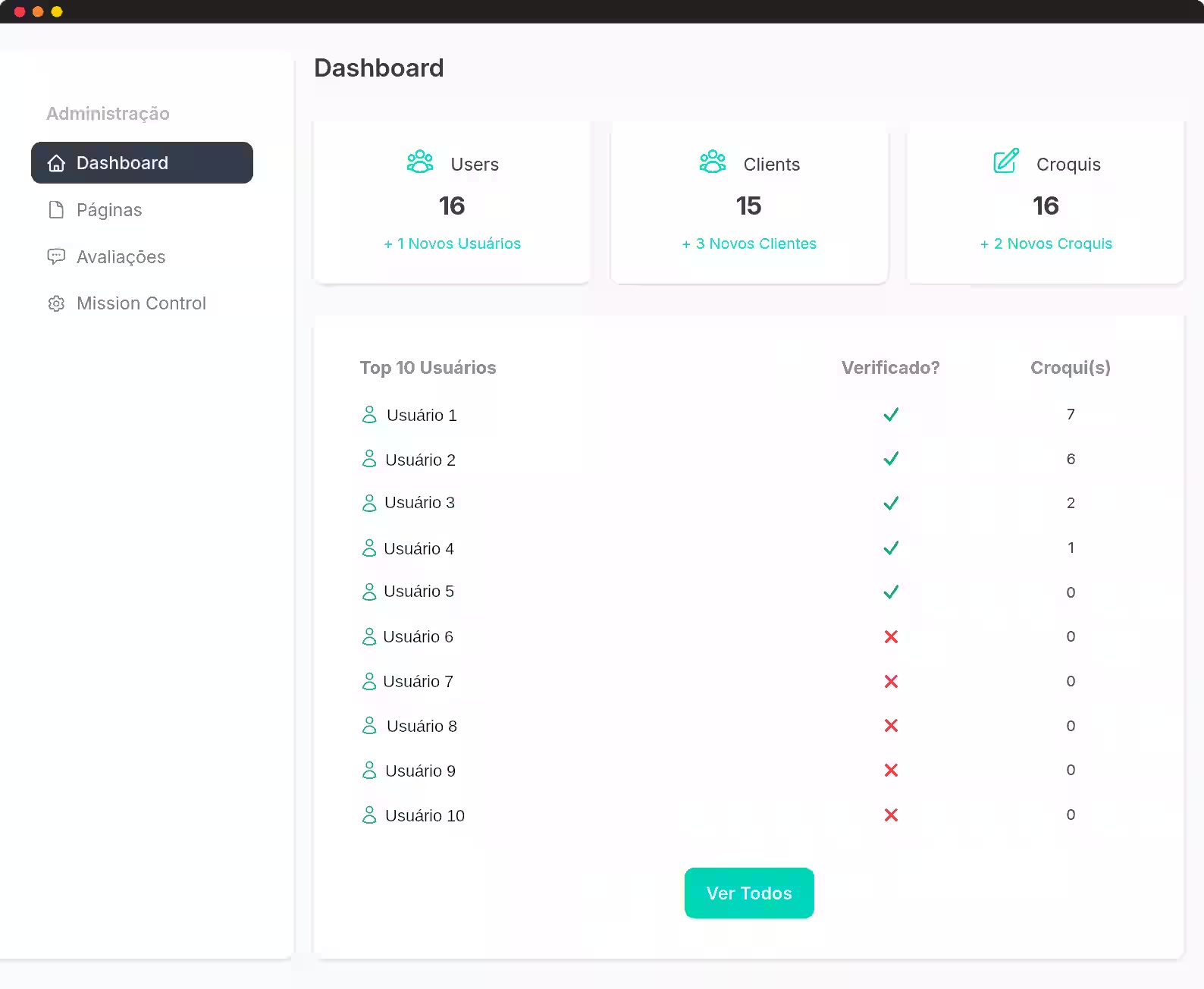
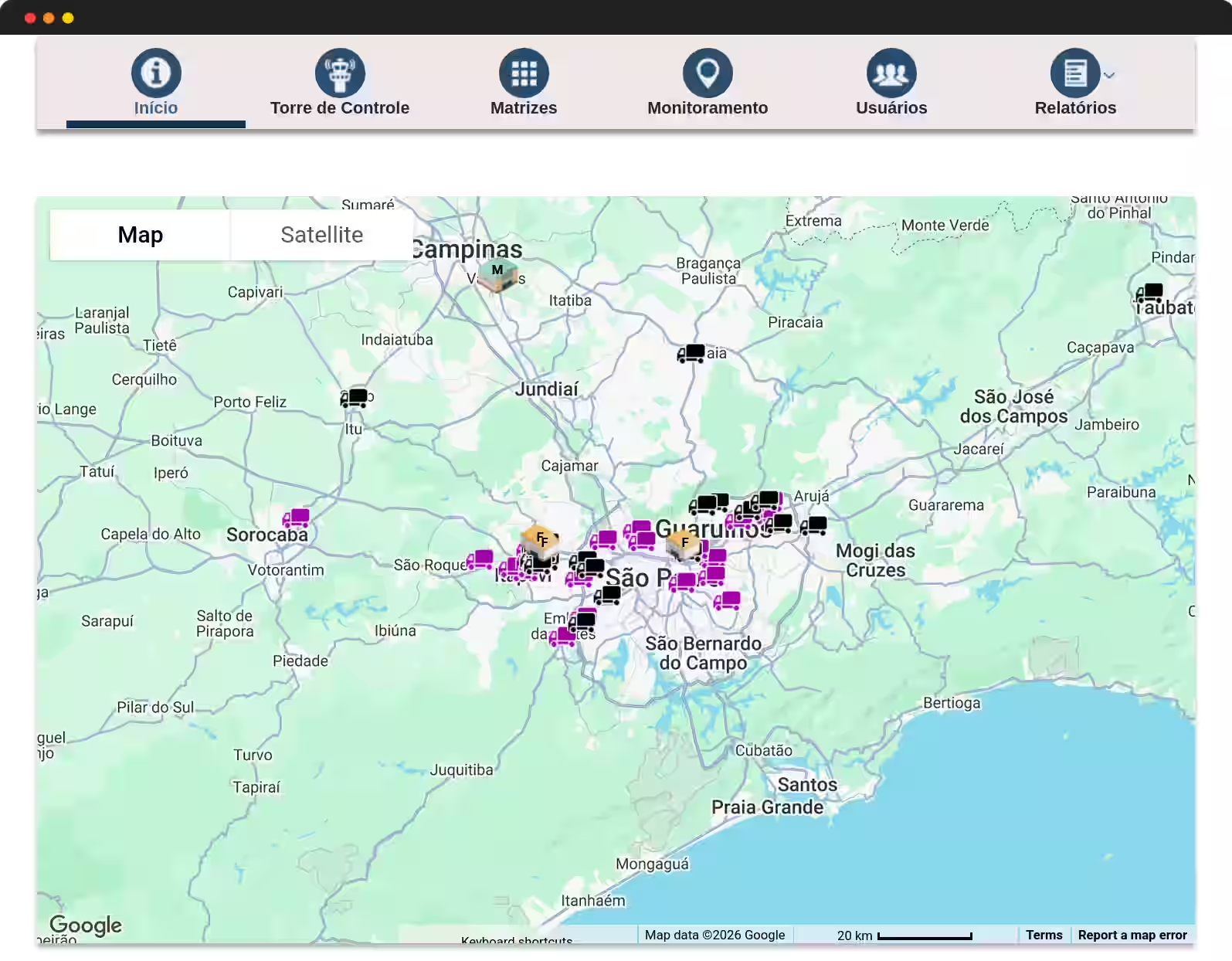
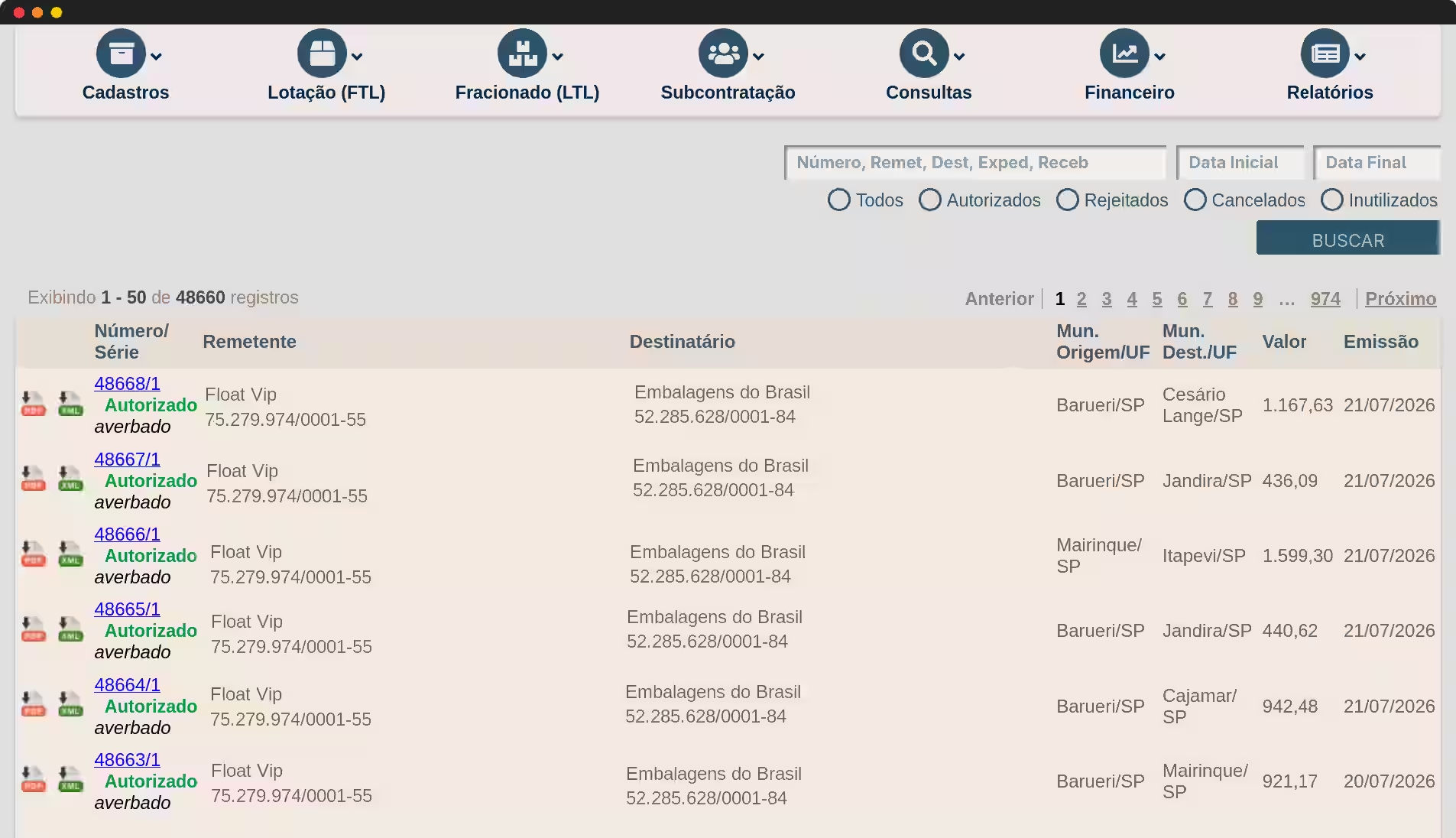
Production systems we engineered and still maintain: workflows, integrations, and daily operational use. No case-study links are shown because none are published yet.
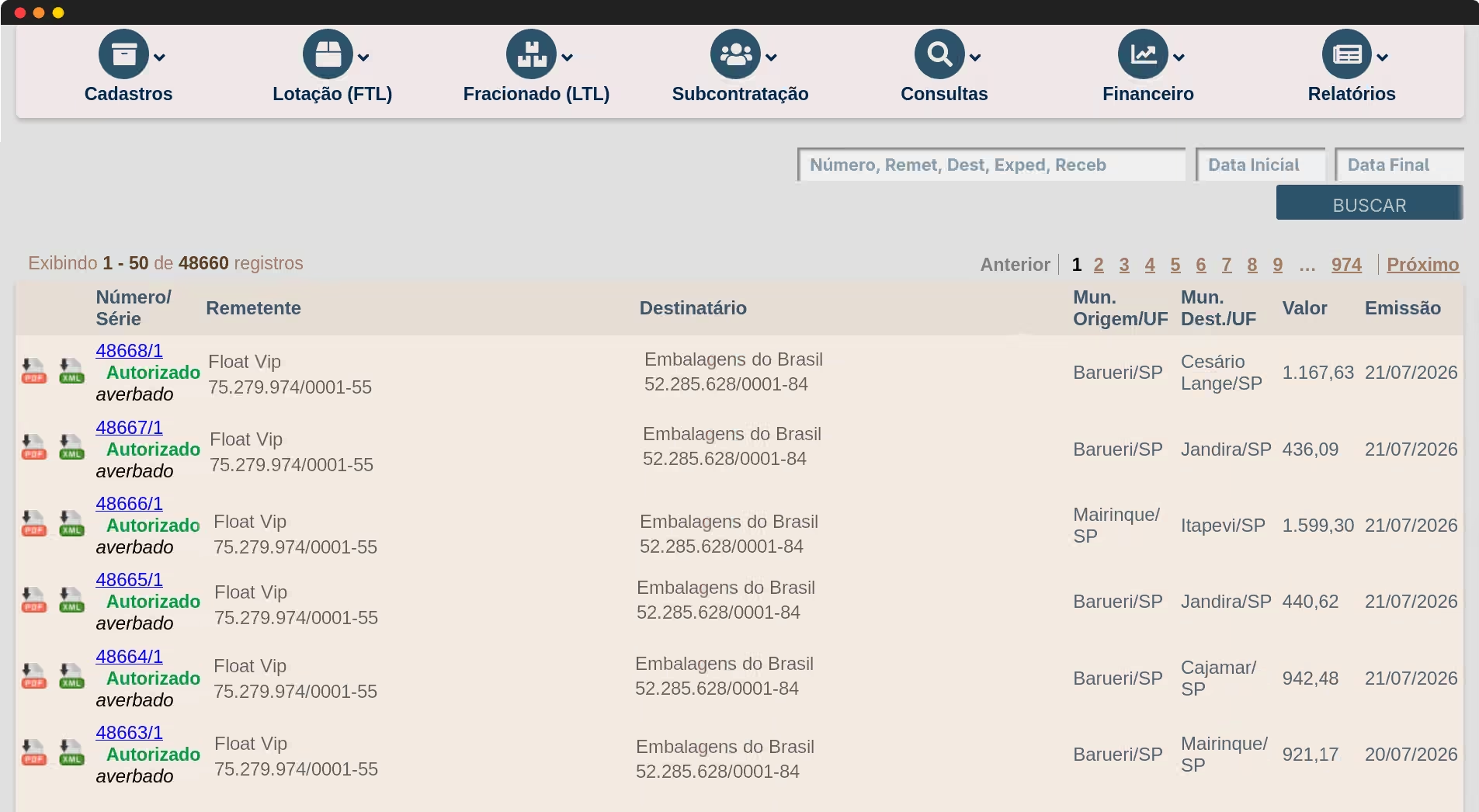
Powering freight operations and transport documents for over a decade, with workflows and integrations that logistics teams use daily.
Transport Documents Processed
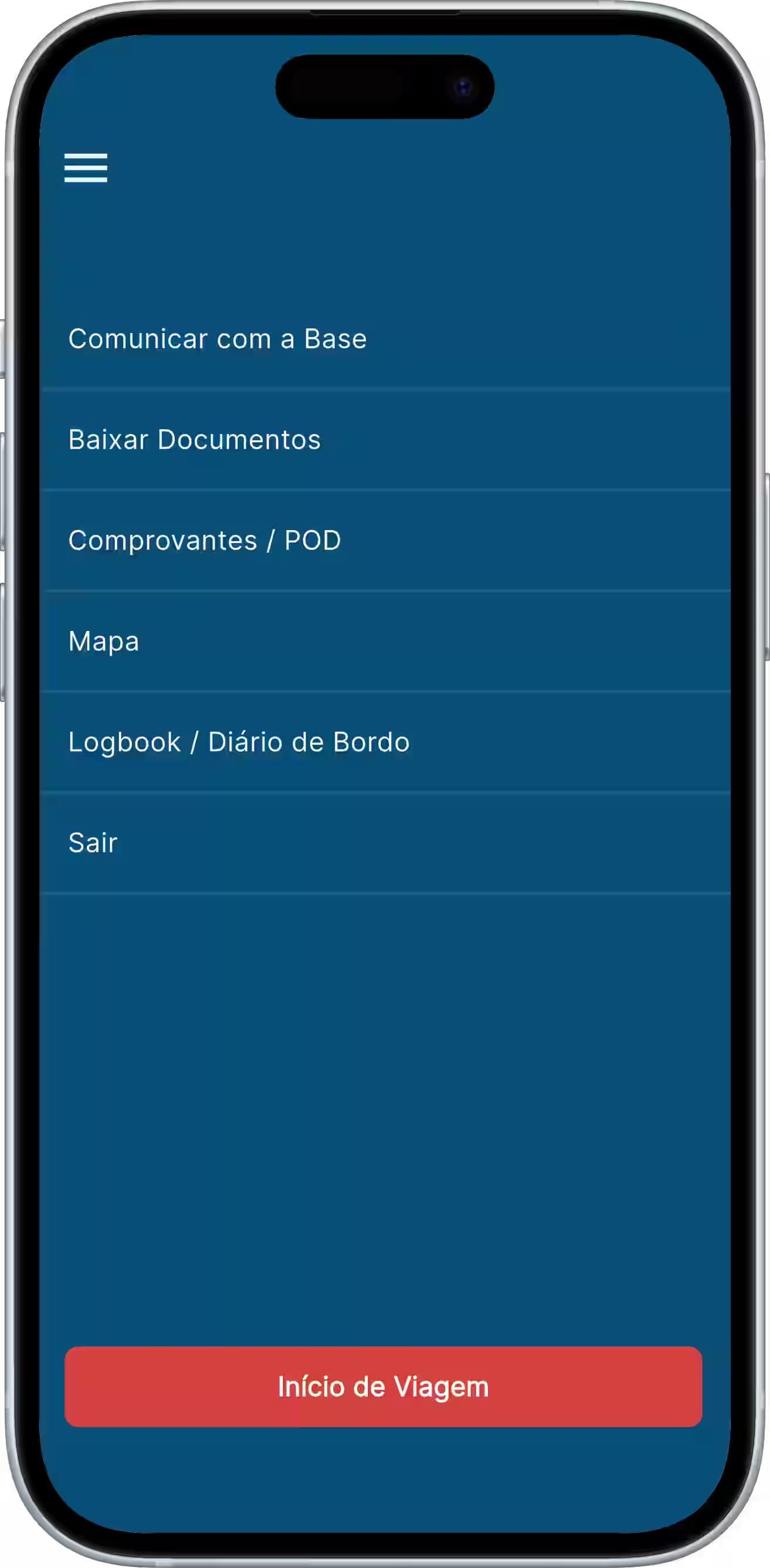
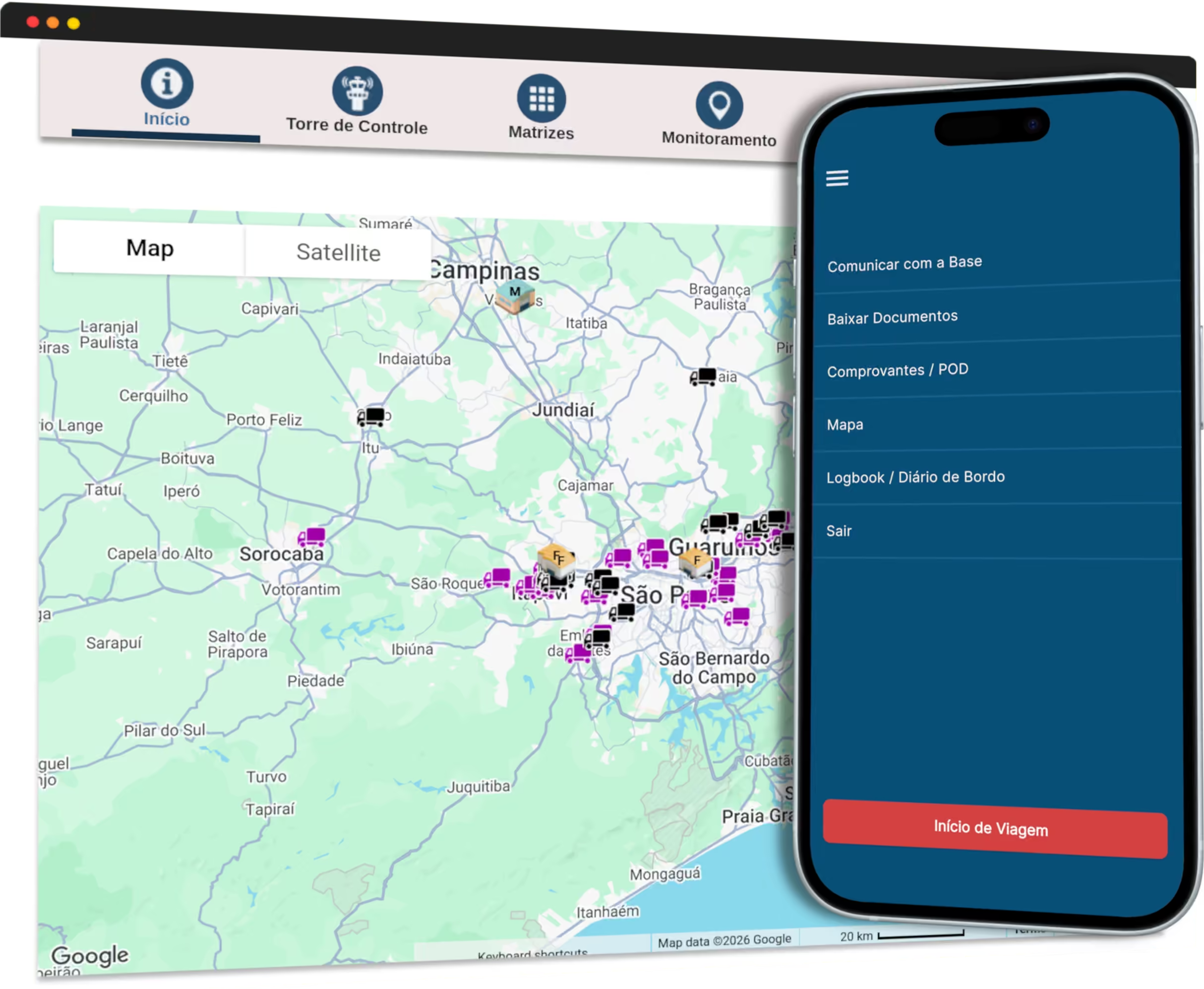
A web dashboard and Android app for real-time delivery tracking and fleet operations, running in production operations.
Deliveries Tracked
Questions we get from teams already running a product. Anything else, ask on a free strategy call.
Yes. We start by reading the architecture, dependencies, and tests you already have, then work on top of the version currently in production instead of rebuilding it.
Yes. New platform work covers the core product, data model, authentication, and the workflows your business needs. If you are launching a first product from an idea, see MVP Development.
Mainly Ruby on Rails, Hotwire, PostgreSQL, SQLite, Docker, and modern cloud infrastructure, with Flutter for mobile clients. We choose what suits the product rather than applying one stack to every project.
Yes, as a separately agreed engagement. Maintenance and support are not bundled into every project, and the coverage, response expectations, and cost are written down before work starts.
Yes. Payment providers, internal systems, and third-party APIs are common work. Integrations are scoped individually, since each one depends on the external service and the data involved.
With a scope-based proposal or a custom quote for ongoing work, depending on the engagement. We agree the scope first, then price against it and review the proposal with you before scheduling.
Yes. That usually starts with a written assessment of where the cost is coming from, followed by prioritized work that reduces it without pausing your roadmap.
Whether you're starting a new platform or improving an existing product, let's discuss how VossWare can help.
No obligation. Just a conversation about your product.
Launching a first product instead? See MVP Development.